
FIELD NOTES / DIGITAL STRATEGY
The Future of Websites: When Making One Becomes the Easy Part
An AI builder can give a lodge owner a polished website. A traveller’s unanswered question reveals what still makes it matter: real detail, sound judgement and a promise the business can keep.
NU SIGNATURE · 29 SEPTEMBER 2026 · 9 MIN READ
Picture a small lodge owner at the kitchen table before the first guests wake. Outside, the deck is still wet with dew. On her laptop, an AI website builder has produced a handsome draft: generous photographs, elegant type, a booking button in exactly the right place.
She scrolls. It looks professional. Then she covers the logo with her thumb. It could belong to almost any lodge in the country.
The page knows how a lodge website should look. It knows nothing about the bend in the gravel road that worries first-time visitors, the room that catches the winter sun, or the guide who can persuade a restless child to watch a bird for ten whole minutes.
This is an imagined scene, but the business question is real. As the mechanics of making a website become easier, where does its value go? The answer begins with everything the owner knows that never made it into the prompt.
When polish becomes easier to produce
For much of the commercial web’s history, getting a credible website online was a substantial undertaking. Design, development, copy, photography and technical decisions had to come together before a customer could see anything. Production itself created a barrier.
That barrier is falling. Webflow’s current AI site builder, for example, can generate a multi-page starting point with structure, content and an editable theme from a description. It still needs judgement and checking. But the distance between an idea and a plausible website is shrinking.
For our lodge owner, that is welcome. Less time wrestling with a blank page leaves more time for the questions that distinguish her business. Which guests will love it here? Who might be happier elsewhere? What do people need to know before they commit their holiday to a place they have never seen?
The traveller arrives with a question
Now imagine the other end of the journey. Late that evening, a traveller is comparing three places to stay. She has already checked the map, read reviews and asked an AI assistant about travelling with her father, who finds steps difficult. By the time she opens the lodge website, she has a specific uncertainty to resolve.
A sweeping landscape fills the screen. Beneath it, the site promises an unforgettable escape. She scrolls past another photograph. Beautiful, yes. But how far is the room from the dining area? Is the path steep? Who can give her a dependable answer?
Discovery is changing in measurable ways. Pew Research Center’s analysis of browsing data from 900 US adults found that traditional Google results received clicks on 8% of visits with an AI summary, compared with 15% without one. The study examined browsing in March 2025; it does not establish what will happen to every business or market.
Adobe’s separate US retail analysis reported longer visits and more page views from AI referrals in February 2025, although those visitors were still less likely to place an order than other traffic. Together, these findings suggest a possibility worth designing for: some people may arrive after more of their research is complete. When they do, the website needs to help them take the next step.
The answer is already inside the business
Back at the kitchen table, the owner could ask the builder for a more persuasive paragraph. Or she could start with the question her reservations team answers every week.
She knows which room has the simplest route to breakfast. She knows where the path changes surface, which distances matter and when an individual conversation is necessary. Those details can become accurate photographs, clear descriptions and a useful contact route. A guest can begin to judge suitability without having to guess.
The same principle applies far beyond hospitality. An engineering firm can explain the constraint behind a project and how its team handled it. An accounting practice can show what a new client needs to prepare. A manufacturer can make compatibility and specifications easy to compare. Each gives the reader something solid to work with.
A website earns trust when a claim becomes something a person can examine. “Personal service” is easy to write. Showing how an enquiry reaches the right person, and what happens next, gives that promise substance.
Every page can be the first page
Our traveller might arrive directly on the room page through a shared link. She may never pass through the homepage, where the owner has carefully explained the lodge’s philosophy. The page in front of her has to make sense on its own.
It needs enough context to establish where she is, enough detail to judge whether the room suits her father, and a clear route to help. Sending her back to the beginning of the website to piece those things together adds work at the moment she needs reassurance.
This changes how a business should connect its pages. A service leads to a relevant project. The project introduces the people responsible. Their expertise leads to a useful conversation. An article answers a question and points towards the next one. The links follow the customer’s thinking.
The homepage still has a job. So does every other entrance. Each should help someone understand where they have landed and why it matters to the decision they are making.
The details that make a place its own
Once the practical questions are answered, something else becomes possible. The traveller can stop evaluating for a moment and imagine being there. This is where design has room to do its most interesting work.
An original photograph of breakfast on a cold morning might say more than another flawless sunset. A short account from the guide might reveal the pace of the place. The spacing, typography and sequence of the page can let those details settle, instead of rushing the visitor through a procession of sales claims.
Those choices require an eye and a point of view. As competent layouts become easier to generate, a business has more reason to invest in the material and judgement that give its website character. The useful photograph, the revealing interview and the right omission all deserve attention.
In our imagined lodge, the owner can finally take her thumb off the logo. The page now contains details that belong to this place. The identity survives because the business has become recognisable in the work itself.
The story has to survive the enquiry
Then the traveller sends an enquiry. This is the moment the website’s story leaves the screen. If nobody replies, the care expressed on the page becomes difficult to believe. If someone reads the question properly and answers it clearly, the experience begins to support the promise.
A redesign cannot repair a neglected inbox. It can make the next step easier to find, ask better questions and set an honest expectation about a reply. The business still has to deliver. Repeated customer frustrations are clues about where that delivery needs attention.
For the lodge owner, improving the website might therefore include agreeing who handles a late enquiry, keeping arrival instructions current and helping the reservations team recognise when a guest needs a personal conversation. The digital experience continues through those ordinary decisions.
Give the visitor something useful to do
A few days later, imagine the traveller returning to the site. She has moved beyond inspiration. Now she wants to compare room arrangements, understand the journey and send the information the lodge needs to advise her.
The most useful addition may be modest: a clear room comparison, a practical arrival guide, or an enquiry form that asks about the party and their needs. A professional firm could offer a briefing checklist; a manufacturer could offer a specification comparison. These small interactions help people prepare for a better conversation.
Some tasks may benefit from AI. Others need a clear page, a well-designed form or a person. The test is practical: does the interaction help someone understand, decide or do something useful? That question should come before the choice of technology.
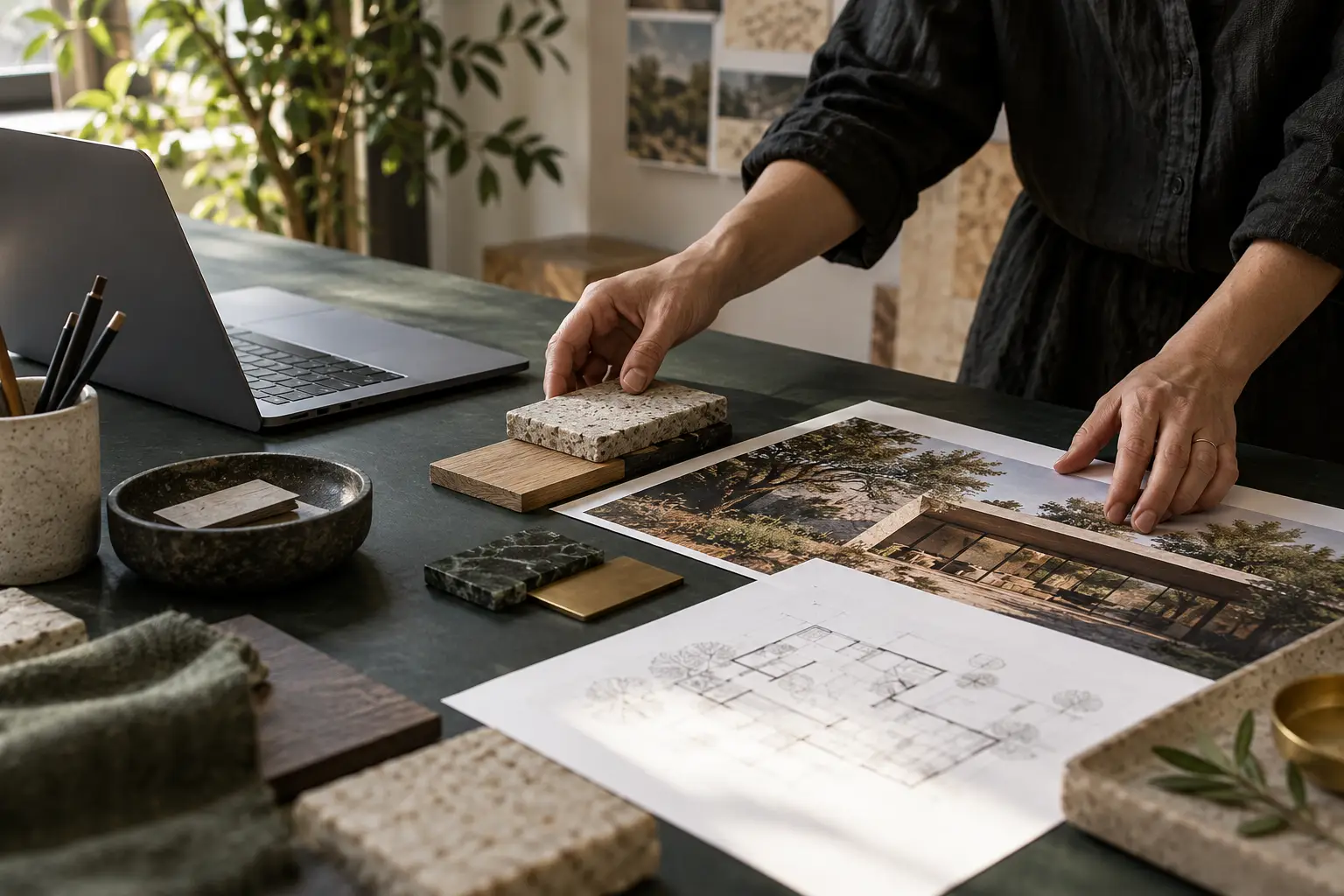
The work behind a website that matters
If this were your business, the next step would start with listening. Sit beside the people who answer customer questions. Read the enquiries that take several messages to resolve. Notice what people repeatedly misunderstand before they buy.
Choose one important page and follow the customer’s decision through it. Find the point where the evidence runs out, the language becomes vague or the next step becomes unclear. Improve that point before commissioning another ten pages.
Gather the details while the work is happening. Photograph the process, record the starting problem and write down why a decision was made. Seek permission for customer material. Months later, the finished result may still be visible, but the reasoning that makes it valuable can be much harder to recover.
Give changing information an owner. Room details, service boundaries, team profiles, specifications and contact routes need someone who notices when they become inaccurate. A beautiful page that describes last year’s business creates doubt precisely where it should create confidence.
Invest in the parts that express experience: original imagery, clear explanations, thoughtful design and accounts of real work. AI can help organise and refine that material. The underlying experience has to come from the organisation.
Check the complete journey on a phone. Read the page, follow the links, send a test enquiry and see where it arrives. Make sure a person can get help when their question does not fit the form. Much of good digital strategy becomes visible in these unglamorous checks.
Measure what happens after attention has been won. Alongside traffic, examine qualified enquiries, booking progress, completed tasks and the questions customers still ask. A quieter website that helps the right people proceed may serve the business better than a busy one that leaves them uncertain.
The aim is a digital presence the team can stand behind: a place where the facts are current, the work can be examined and the promises match what happens next. That takes ongoing care, even when producing the first version takes only minutes.
Back at the kitchen table
Return to the kitchen table. The light has changed and the first guests are coming through for breakfast. The owner closes her laptop. The site is no longer waiting for another impressive sentence. It has started to carry what she knows about welcoming people here.
At the other end of the story, the traveller has a clearer picture of the room, the path and the people she can contact. She can make a decision with fewer unanswered questions. The website has done something more valuable than simply look finished.
The future of websites will be shaped by how easily we can make them, and by how carefully we decide what they are for. Making the page is becoming easier. Giving someone a reason to trust the business behind it remains the work.
Nu Signature brings website strategy, design and content together around that work. If your site looks the part but leaves important questions unanswered, let’s explore what your customers need to understand, trust and do next.
Sources and further reading